Years on a Resume Don't Prove Skill. Here's What to Check Instead
Dan Clapper of Interplay Learning says paper credentials don't always show what a tech can do. Owners find out after the hire.

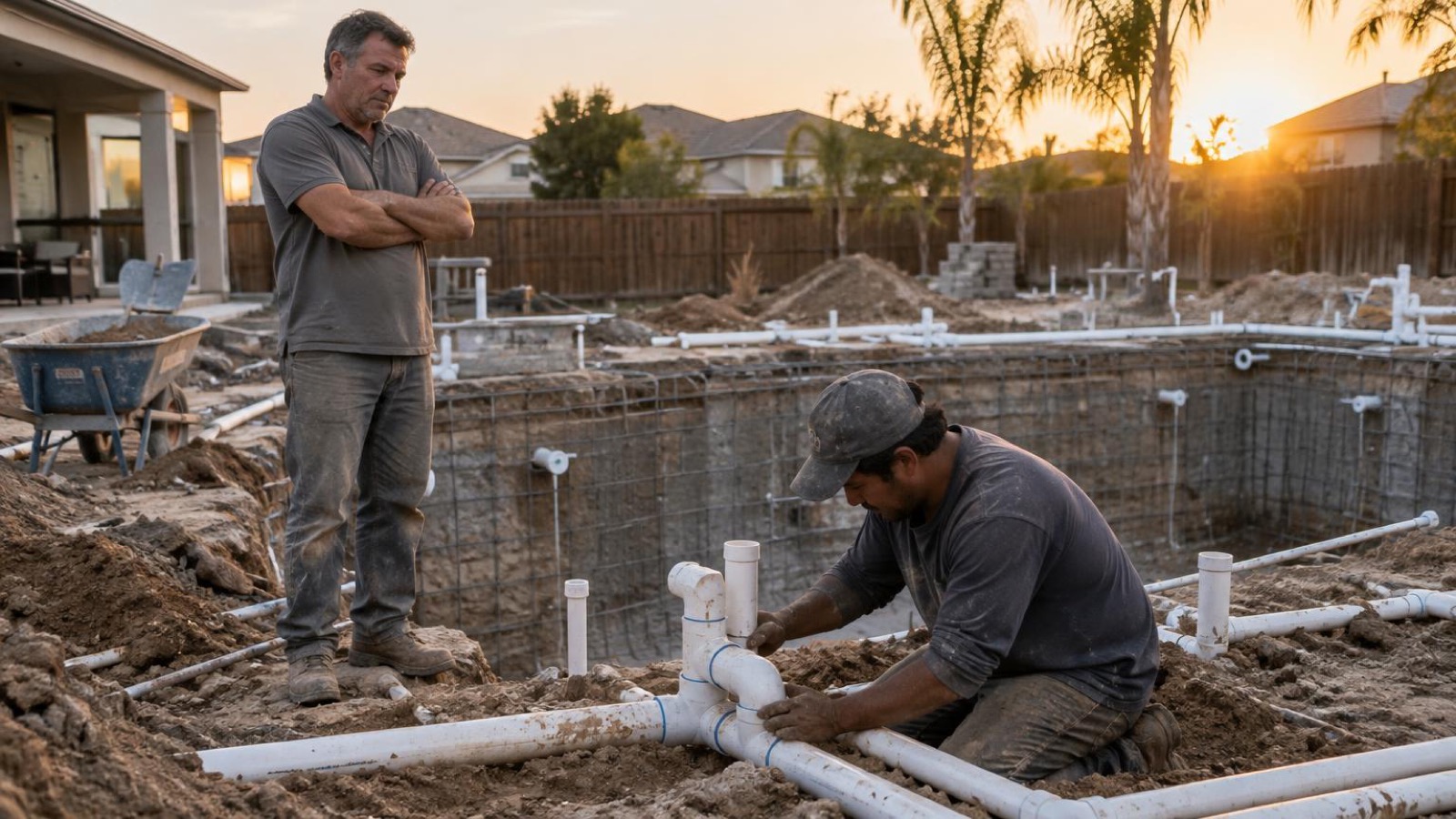
Twenty years on the resume. A certification on the wall. Contractors keep finding out the hard way. Then the hire shows up and the practical skills don't match. Dan Clapper of Interplay Learning brought that problem to Plumbing & Mechanical, where he asked whether years of doing the job the wrong way really predict how someone will do it.
A Resume Is a Story. The Job Is the Test.
Dan Clapper, who is with Interplay Learning, joined Plumbing & Mechanical for an episode of And So It Flows to talk about a different approach to hiring, judging skills and training in the trades. He came up through the trade. Clapper started out in his dad's HVAC company before building a career working with manufacturers and contractors around the country.
His point is uncomfortable: a resume or a certificate doesn't always tell you everything a tech can do.
You have probably seen it before. A candidate shows up with a long work history or a stack of certificates. You hire them. Then you find out their hands don't match the paper.
Clapper asked the question that belongs on every application: whether 15 or 20 years of doing the job wrong is really the best sign of how someone will do on the job.
My read: that question doesn't stop at the service van. It walks onto your sales floor — and your sales floor is where the money is.
The Shortage Isn't the Whole Story
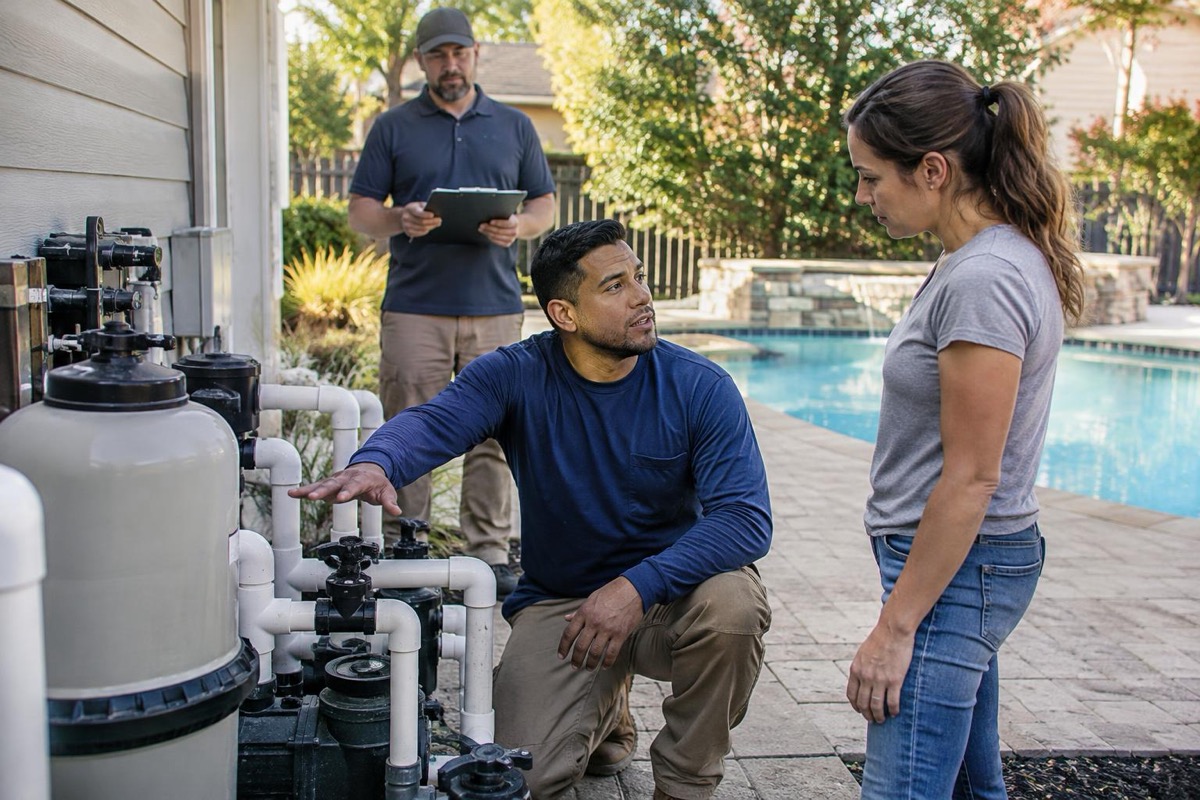
The shortage of skilled labor is still one of the toughest problems plumbing and HVAC contractors face. Everybody knows that part. The article asks a sharper question: what if finding workers isn't the whole problem? What if owners just can't see the skills the people in front of them already have?
My read: that has a cost. You can spend months chasing candidates and still hire the wrong one, because the thing you were measuring — years, certificates, a clean resume — was never the thing that predicts performance.
The episode also covers hiring based on demonstrated skill, training with simulations, and how contractors can make better calls about their workforce. Kristen R. Bayles, associate editor at Plumbing & Mechanical and Supply House Times, comes from a family with long roots in the plumbing trade.
So the episode points contractors toward skills-based hiring. Here's what that looks like when the job is selling.
What This Means for an Owner Who Sells (My Read)
This part is my read, not the article's. Over $75 million in online sales, built two companies to eight figures, and built multiple 8-figure sales teams for our own businesses. The pattern is the same in every trade.
Picture a pool builder with a crew lead opening. You get a guy with a long resume who talks a good game in the interview. Three weeks in, he can't walk a homeowner through a change order without losing the room, and he can't keep a build moving when the dig hits rock. Nothing on that resume told you. A two-hour work sample would have.
Picture a fitness studio hiring a trainer. The certification is real. The person is likable. Then you put them on the floor and they can't hold a membership conversation at the front desk — they can't ask for the sale, can't handle a member who wants to cancel, can't turn a tour into a sign-up. You didn't hire a trainer. You hired a likable person with a certificate and no closing skill.
Now picture your own sales team. Same trap, higher cost. A rep with ten years of closing experience on the resume who freezes on the phone, or who lets new leads sit for two days because follow-up isn't in their wiring. You found that out in month two, after you'd paid for the ramp and lost the leads.
Here's the math I'd want an owner to run. A bad sales hire costs you months of ramp, plus the leads they fumbled, plus the customers who walked because nobody followed up. Against that, the work sample you skipped on the front end looks cheap. That's my read, not the article's.
The fix isn't a better interview. It's watching the person do the work before you hand them a book of business.
How I Would Test Skills This Week
Here's the sequence I'd run. It doesn't need new software. It needs a calendar block and the discipline to score what you see.
- Name the three things the person actually does in week one. Not the job title. The tasks. For a pool builder that might be: walk a homeowner through a quote, keep a build on schedule, handle a change order. For a fitness studio: run a tour, ask for the membership, save a cancel. If you can't name three, you don't know what you're hiring for yet.
- Build a 20-minute work sample from your own business. Use a real situation, not a hypothetical. A real site photo. A real price objection. A real member who wants out. Real beats clever every time.
- Pay for a half-day tryout. Bring your final two candidates in for a paid half day and put them in front of actual work. Watch how they handle a customer who isn't happy. Watch whether they ask questions or guess.
- Score it on paper before you talk yourself into anyone. Write the three tasks at the top of a sheet and give each candidate a 1 to 5. Do it the same day. Memory lies, especially when you like someone.
- Ask for a story, not a summary. Ask about the last time a customer said no and they still closed it. Then stay quiet. People who have done it give you details. People who haven't give you a philosophy.
- Call the reference who saw them work, not the one who liked them. One question does most of the job: ask what they did when a customer got angry.
- Run this for sales hires, not just techs. This is the one owners skip. Your reps touch revenue every day. Test them like it.
If you want something to copy this week, here are three scripts.
- Pool builder phone screen: ask them to walk you through the last time a homeowner said the quote was too high — what they said next, and what happened.
- Fitness studio front-desk test: a member walks in and says they want to cancel today. Ask for the first three things they would say, in order.
- Sales rep lead test: they have 40 new leads on Monday morning. Ask what they do first, second and third, and why.
Mistakes I See Owners Make
- Hiring the resume instead of the person. Years are a story about the past. You're buying the next 90 days.
- Testing only the technical half. The tech is the easy part. The customer conversation is where the job is won or lost.
- Letting the interview run on personality. Likable and capable are two different columns. Score them separately.
- Skipping the tryout because it feels awkward. It's a half day of pay against a bad hire that costs you a season.

The Skill You Can't Interview For
Clapper's point is that a resume or certificate doesn't always tell you everything a tech can do. The episode also covers simulation training.
That's true for the people you hire. It's also true for the system you hand them. My read: you can hire a great rep and still lose the deal because the leads came in slow, nobody called back fast enough, or the follow-up stopped after two tries.
Picture a pool builder who hires two reps and then finds out in month two that neither one follows up past the first call. The ad money is already spent. The leads are already cold. Same lesson as the resume — you found out too late because you never watched the work.
Can you say what happens to a lead in the first ten minutes at your business? If not, that's the same mistake as reading a resume and calling it a hire.
Test the Skill, Then Check the System
Everything above is about testing skill instead of trusting paper. The same idea applies to the system your new hires walk into.
My read: the ad gets all the attention, and the first hour after a lead lands gets almost none. That is the same mistake in a different part of the business.
So before you post the job again, ask yourself one question. If a lead came in right now, could you say out loud what happens next, minute by minute? If you can't, fix that before you fix the resume problem.
If you're hiring this quarter, run the work-sample test first. Then pressure-test the system those new hires are walking into. The test tells you whether they can sell. The system tells you whether they ever get the chance.
Join the free weekly webinarFree. Live Q&A every week.
Disclosure: Brandon Correll founded SalesBeast, which is mentioned and advertised on this page. Facts are drawn from the linked sources; analysis and advice are his opinion.
Brandon Correll founded SalesBeast. Over $75 million in online sales, built two companies to eight figures, and built multiple 8-figure sales teams.
 Business
Kansas Harley-Davidson Store Closes After Seventy-Seven Years in Business
Keep reading
 Business
A 30-Year-Plus Sales Vet: Your Reps Score Similar Deals Two Different Ways
 Business
Cars Under $30K Are Turning 20% Quicker. My Read for Dealers and Contractors
 Business
Contractor Costs Jumped Nearly 9% — and Roughly 30% of Project Volume Was Delayed, Stalled or Canceled
 Business
About 4 of 7 Plumbing Calls Get Answered. That's Where Your Jobs Go
 Business
HVAC Buyers Do Not Want a Spec Sheet. They Want Answers.
 Business