HVAC Buyers Do Not Want a Spec Sheet. They Want Answers.
Homeowners can be overwhelmed by technical detail; here is how to simplify the conversation.


Homeowners shopping for a new heating or cooling system can get overwhelmed fast. The fix is not more technical detail — it is putting the choices in plain English.
Too Much Detail Makes the Decision Harder
Shopping for a new system throws a lot at a homeowner at once: efficiency ratings, equipment features and rebates to weigh, plus upfront costs measured against possible long-term savings. If you do not know much about HVAC, that pile of choices gets overwhelming fast.
That is where the contractor comes in. The article calls contractors a trusted source of information that helps homeowners sort through it all. The job is to say it in plain English and to know when to stop. Buyers need a few data points to feel sure, but too much technical detail can make the decision harder.
Chelsea Hudson, who manages heat pumps and system ratings at Trane, gave a simple guideline: "Enough to make a confident decision."
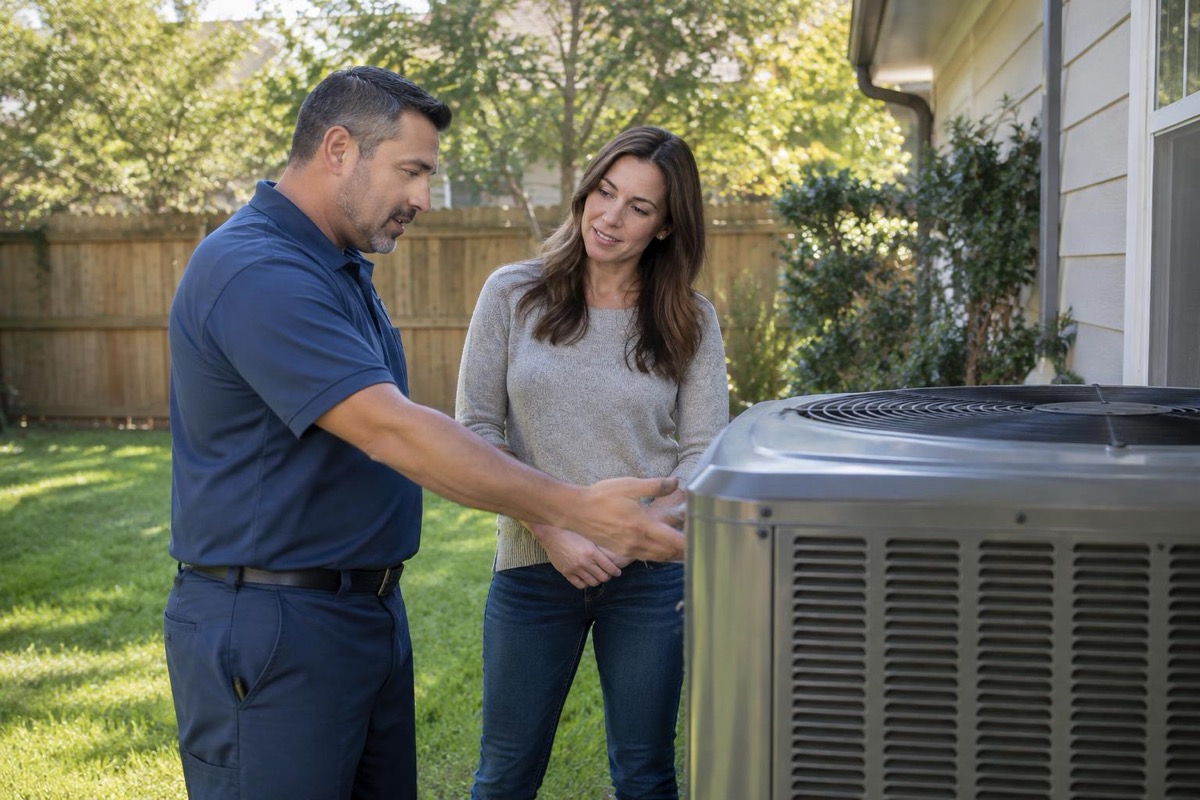
Start With Goals, Not Spec Sheets
Before you dive into SEER2 ratings or start introducing equipment options, find out what the customer wants this purchase to do. For some, the goal is a lower monthly utility bill. Others care more about indoor air quality, uneven room temperatures, or swapping out an old system without overspending.
Hudson said: "Contractors can start by focusing on the homeowner's goals before discussing equipment specifications." Once you know the priorities, you can frame the ratings, rebates and incentives around those goals.
Two Homeowners, Two Different Answers
The article walks through two shoppers. The first expects to stay put for another 15 years and is tired of high energy bills. That homeowner may accept a bigger upfront spend on a high-efficiency system, since there is plenty of time to earn those costs back through energy savings.
The second plans to sell within about three years. The savings a premium system promises will not pay back in that window, so a cheaper option may be the smarter buy. A few questions early in the conversation bring that difference to the surface.
Translate the Ratings
SEER2 and HSPF2 roll off an HVAC pro's tongue. For most homeowners they are technical jargon that has to be turned into what it means for the house. Hudson's point: the rating itself matters less to buyers than what it means for their home.
A plain explanation works. SEER2 is the seasonal cooling score; HSPF2 is the seasonal heating score for heat pumps. Both compare how well a system runs. Then show what the difference does to energy consumption and operating costs, which is what the buyer actually wants to know.
The article gives a concrete example. Put a 14 SEER2 unit next to an 18 SEER2 unit. The higher-rated one would cut electricity use by about 22% for the same cooling output. For a customer focused on long-term savings, that gap helps justify the higher upfront cost.
Efficiency Is Not the Same as Comfort
It also helps to separate efficiency from comfort in the customer's mind. On comfort, the numbers only tell part of the story. Two units with matching SEER2 scores can still feel different once they are running.
Variable-speed equipment is the example. Those units adjust their output to match cooling demand and often run slow instead of switching on and off. The payoff is steadier room temperatures, better humidity control and less noise — selling points for a homeowner who cares more about comfort than utility savings.
Hudson said: "The highest-efficiency product is not always the best fit for every homeowner." Her advice: keep the talk on comfort, running costs and long-term value instead of numbers alone.
Good, Better, Best — Tied to Priorities
A good/better/best lineup keeps the choice set small, but the article warns it only works when each tier maps to a homeowner priority rather than a product feature. Trane groups its residential equipment into three tiers.
Every option you show should spell out how it handles budget, comfort, efficiency and long-term goals. And the label best should point to the best fit for that buyer’s top priority, not the top-tier equipment. When efficiency tops the list, the top tier is the efficiency leader. When upfront cost is the main worry, the cheapest option can hold that spot. Hudson's example: for one homeowner the Choice tier may be a good mix of performance and cost, while another may want features from the Premier tier.
Utility rebates plus state and local incentives can change the math too, sometimes making higher-efficiency equipment more affordable. Point homeowners to official resources to confirm what they qualify for.

Tools That Make the Conversation Easier
Most big manufacturers publish tools that turn technical detail into plain homeowner benefits. Trane's Offers and Rebates page includes a savings calculator, a pricing guide, and help with rebates and financing. Contractors can open those tools during the visit so homeowners can weigh the money side of each option.
The right amount of detail varies by customer. Some want to dig into ratings, features and running costs. Others just want a few recommended systems side by side. Hudson said a clear set of options plus answers to questions as they come up beats dumping every data point at once. Her point: the goal is not to show everything, but to help homeowners choose something that fits their comfort, budget and timeline.
Here Is What I Would Do This Week
My read: this is not about rebuilding your whole sales process. It is about changing the first five minutes of the conversation. Here is what I would do.
- Ask about goals first. Before you show a single model, ask what the homeowner wants out of the purchase. Is the main frustration high bills, uneven rooms, or an old system on its way out? How long do they plan to stay? Those answers decide which options you even bring up.
- Put ratings in dollars and cents. Go past the SEER2 number. Show what the difference means for the monthly bill and for comfort, the way the article's 14-versus-18 example does.
- Frame the "best" option as the best fit for the customer's stated priority — maximum efficiency or lowest upfront cost — rather than the highest-tiered system.
- Bring the tools into the room. If your manufacturer has a savings calculator or pricing guide, open it during the visit. It turns specs into numbers the homeowner can weigh.
- Match the depth to the person. Some customers want the full technical walkthrough. Others want a few options and a clear recommendation. Read the room and give the amount of detail that helps them decide.
A good sales conversation ends with a customer who feels confident about the purchase — without having to become an HVAC expert.
Get my free Game PlanFree 30-minute review of your ads, website and setup.
Disclosure: Brandon Correll founded SalesBeast, which is mentioned and advertised on this page. Facts are drawn from the linked sources; analysis and advice are his opinion.
Brandon Correll founded SalesBeast. Over $75 million in online sales, built two companies to eight figures, and built multiple 8-figure sales teams.
 Business
Kansas Harley-Davidson Store Closes After Seventy-Seven Years in Business
Keep reading
 Business
A 30-Year-Plus Sales Vet: Your Reps Score Similar Deals Two Different Ways
 Business
Cars Under $30K Are Turning 20% Quicker. My Read for Dealers and Contractors
 Business
Contractor Costs Jumped Nearly 9% — and Roughly 30% of Project Volume Was Delayed, Stalled or Canceled
 Business
Factories Are Selling Around Their Dealers. Here's the Wake-Up Call for Your Sales Team.
 Business
Night Leads Go Cold by Morning — and Longer Hours Won't Fix It
 Business