Night Leads Go Cold by Morning — and Longer Hours Won't Fix It
The leads you lose aren't the ones you never got. They're the ones that came in after hours.

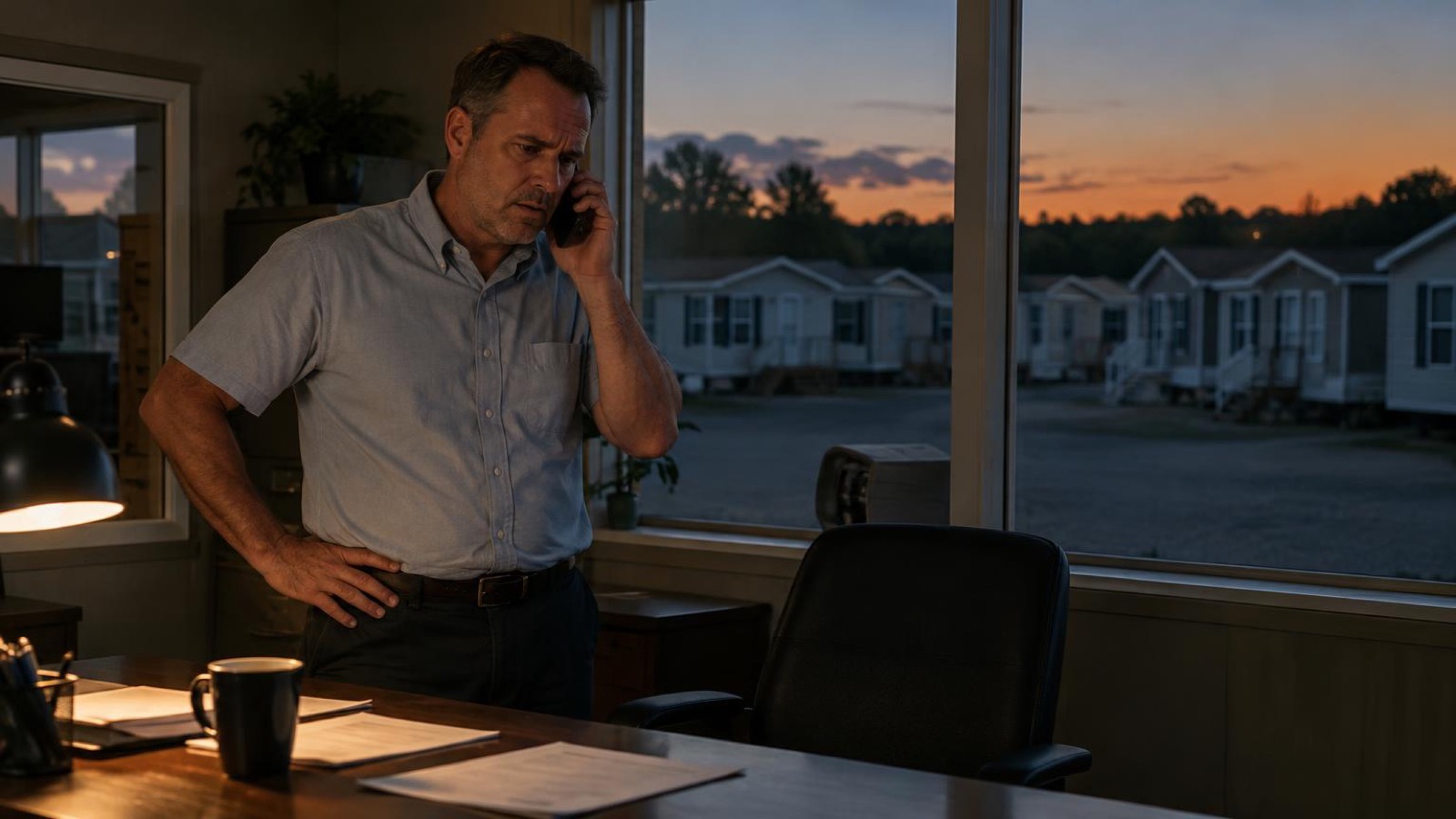
Picture a buyer reaching out at night, after closing time. By the time your rep calls back the next business day, that buyer's interest has already moved on to another company. The loss isn't the inquiry. It's what happens after.
The Inquiry Isn't Where You Lose the Deal
A write-up on real estate lead handling makes a point that fits any business selling through people: the loss is rarely the inquiry itself. What gets lost is the chance that opens up right after the inquiry lands.
The piece names two breakdowns. Follow-up falls apart when it rests on how good each rep happens to be. And interest cools when viewing times are tied to office hours.
Start with the after-hours one. Some viewing requests show up at night, once the office has closed. If no one answers, the callback waits until the next business day. By then, the buyer's excitement has already moved to a rival.
Then there's the slow decider — the buyer who needs time. The risk of losing touch is higher with customers who don't decide right after a viewing. As the decision stretches out, reps get pulled into new inquiries and follow-up slides down the list.
And here's the part that should make any owner wince. Some reps keep buyer details only in their heads — the source's example is "this person is currently considering" — and a transfer or resignation can wipe that history out. The result, per the piece: buyers who take their time end up signing with a competitor during a quiet stretch.
Notice what isn't on that list. My read: this is not a story about reps who stopped caring. The system just let a live buyer sit there.
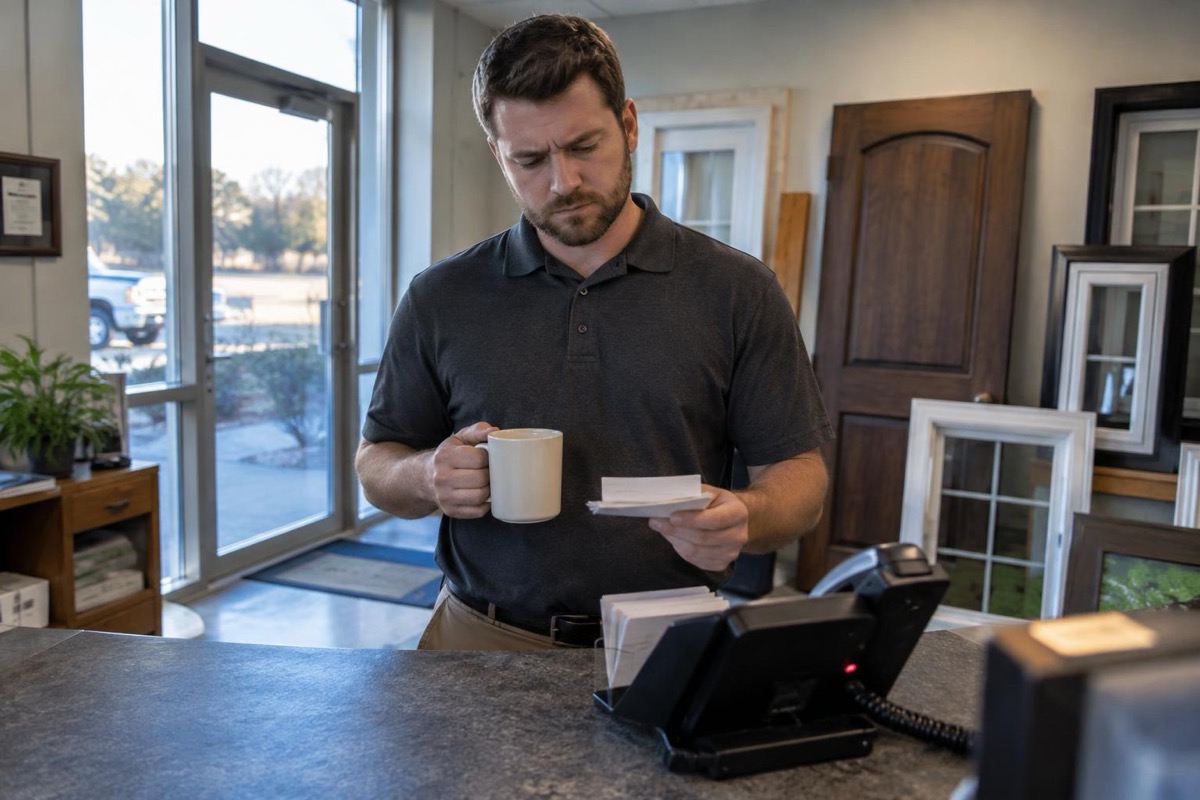
Two Things That Make the Gap Costlier
My read: two things raise the stakes on that gap — inquiries that arrive at all hours and listing fees that rise every year.
The first is timing. Requests come in at all hours. A buyer browsing at night who can't reach you the moment interest strikes has to sit on that feeling until the next business day — and their attention may drift to other listings or other firms. The source is blunt about the cause: dragging out the phone and email back-and-forth makes that drift more likely.
The second is cost. Listing fees on property portals climb every year, which is why the source says the value of getting more inquiries through your own channels isn't small.
Put those together and you get a squeeze. My read: leads cost more, and the ones you already paid for go cold overnight.
So what does the source say fixes it? Two things — and neither one is simply working harder.
What the Source Says Actually Works
The first fix is about follow-up. The answer is not more follow-ups through sheer willpower. It's a system set up in advance that sends follow-up emails automatically at each stage.
The second fix is about the clock. The answer is not extending business hours. It's letting a customer lock in a time the moment the idea hits. If you can take reservations online 24 hours a day, a customer goes straight from looking at your product to picking a slot, with no call back needed.
That's it. Two moves: automatic stage-based follow-up, and a way to book without a human.
One thing the source is honest about — it doesn't get into AI chatbots or local search tactics here. So I won't pretend it does.
What This Means for an Owner Who Sells (My Read)
This part is my read, not the source's. Picture a manufactured home dealer with a few reps and a lot full of inventory. A couple browses floor plans on a phone late in the evening and sends a message. Nobody sees it until the next morning. By then, using the source's logic, that couple has already looked at other dealers' sites. You paid for that lead. Your rep never got a swing at it.
Now picture a window and door company running in-home estimates. A homeowner gets a quote on replacement windows. They're interested, but they want to talk to a spouse, check the budget, wait on a bonus. That's the undecided customer the source warns about. The rep gets buried in new appointments, the follow-up slips, and a few months later the homeowner signs with whoever stayed in touch. Same story, different trade.
My read: in both cases the money was lost in the gap, not in the pitch. And the gap is a process problem, not a people problem. You can't hire your way out of it. You can only build it out.
How I'd Set This Up This Week
Here's what I'd do, in order. None of it takes long.
- Count your after-hours leads. Open your phone log, your website form inbox, and your Facebook messages. Go back a few weeks. Tally how many came in outside business hours. It doesn't take long, and it tells you how big the leak is.
- Name your stages. The source uses three: "viewed, considering, or on hold". Yours will look different — maybe a quote sent, a decision pending, a spouse to consult. Write down a handful. If reps describe the same customer differently, you just found a problem.
- Build one automatic follow-up per stage. Not a long drip. One message per stage, sent whether or not the rep remembers. The point is that the next push keeps going even when the person in charge changes.
- Get the stage out of people's heads. History disappears when a rep transfers or resigns. If your stages live in a notebook or a text thread, you're one resignation away from losing every live buyer on your list.
- Put a booking link on everything. The answer to after-hours inquiries isn't longer hours — it's letting the customer grab a time the moment they're interested. Put that link on your site, your forms, your texts, and your voicemail greeting.
- Write the messages before you need them. A few you can copy and adjust. First, for a manufactured home dealer:
Hi [Name] — you looked at the [model] on our site last night. A couple of quick questions so I can actually help: is the bigger issue the lot or the monthly payment? And is there a day this week you could walk through one in person? Here's my calendar if you want to grab a time: [link].
For a window and door company:
Hi [Name] — thanks for the quote request on the [window/door]. Most homeowners are weighing a couple of things: how soon they want it done and how the payment works. Which one is on your mind? If you'd rather just pick a time, here's my calendar: [link].
And one stage-based follow-up for the undecided pile:
Hi [Name] — no pressure, just keeping my promise to check in. Last time we talked you were weighing [option A] against [option B]. Has anything changed on your end? If you want to look at it again, I can hold a time for you here: [link].
- Time your own first response. Have someone fill out your form after hours on a Friday. See when a human actually replies. That number is your real lead response time, not the one you assume.

Mistakes I See Owners Make
- Chasing follow-up frequency instead of structure. More calls from a busy rep still drop when the rep gets busy. The fix is automatic, not a matter of willpower.
- Letting the stage live in a head. If a rep quits and the undecided list goes with them, you lost the pipeline, not just the rep.
- Treating closed hours as a reason a lead waits. The lead doesn't know your hours. The answer is to let them book anyway.
- Celebrating the inquiry. The inquiry starts the clock. It isn't the win.
Keep Every Lead in One Place, So Nothing Lives in a Rep's Head
Both of the source's fixes — automatic stage follow-up and 24/7 booking — need one thing underneath them: a place where every lead and every stage actually lives.
My read: you don't fix this with more reps or longer hours. You fix it by making the next step happen whether or not anyone remembers it.
The source's point is simple: the lead isn't the problem. The gap after it is.
If that gap is costing you deals, it's worth seeing how SalesBeast CRM works.
See SalesBeast CRMOpens salesbeast.com
Sources
Disclosure: Brandon Correll founded SalesBeast, which is mentioned and advertised on this page. Facts are drawn from the linked sources; analysis and advice are his opinion.
Brandon Correll founded SalesBeast. Over $75 million in online sales, built two companies to eight figures, and built multiple 8-figure sales teams.
 Business
Kansas Harley-Davidson Store Closes After Seventy-Seven Years in Business
Keep reading
 Business
A 30-Year-Plus Sales Vet: Your Reps Score Similar Deals Two Different Ways
 Business
Cars Under $30K Are Turning 20% Quicker. My Read for Dealers and Contractors
 Business
Contractor Costs Jumped Nearly 9% — and Roughly 30% of Project Volume Was Delayed, Stalled or Canceled
 Business
Factories Are Selling Around Their Dealers. Here's the Wake-Up Call for Your Sales Team.
 Business
About 4 of 7 Plumbing Calls Get Answered. That's Where Your Jobs Go
 Business